En arrêtant de fumer, il est courant d’avoir des envies de grignotage. Vos envies de sucre augmentent pour compenser le manque. Ce qui n’est pas sans conséquence pour la santé, et même pour la ligne. Il existe quelques petites astuces pour pallier ce nouveau besoin et...

Le site des ex-fumeurs et fiers de l’être !





J’ai arrêté de fumer : comment gérer les envies de sucre ?
En arrêtant de fumer, il est courant d’avoir des envies de grignotage. Vos envies de sucre augmentent pour compenser le manque. Ce qui n’est pas sans conséquence pour la santé, et même pour la ligne. Il existe quelques petites astuces pour pallier ce nouveau besoin et...
J’ai arrêté de fumer : comment gérer les envies de sucre ?
En arrêtant de fumer, il est courant d’avoir des envies de grignotage. Vos envies de sucre augmentent pour compenser le manque. Ce qui n’est pas sans conséquence pour la santé, et même pour la ligne. Il existe quelques petites astuces pour pallier ce nouveau besoin et...

Partenaires
Ce grossiste CBD pourra vous fournir le E-Liquide CBD que vous recherchez ! Pour les entreprises, voici le Grossiste CBD pour les professionnels
Il est n’est pas toujours facile d’arrêter de fumer, c’est probablement même un des plus grands challenges qu’un fumeur peut rencontrer dans sa vie.
Malgré tout, j’ai réussi à vaincre la cigarette et je me suis aujourd’hui libérée d’un poids ! Cela a demandé du temps et des efforts mais le résultat en valait le coup !
C’est pour cela que j’ai décidé de créer ce blog, pour accompagner chaque fumeur dans son combat contre le tabac et pour leur partager les nouvelles passions que j’ai découvertes suite à mon arrêt de fumer !
E-cigarette

Qu’est-ce qu’une cigarette électronique pod ?
Les cigarettes électroniques de type pod, souvent assez discrètes, sont les plus courantes de nos...
Les risques potentiels associés à l’utilisation de la e-cigarette : études et recommandations
De nos jours, nous, en tant que société, luttons constamment contre le fléau du tabagisme. De...
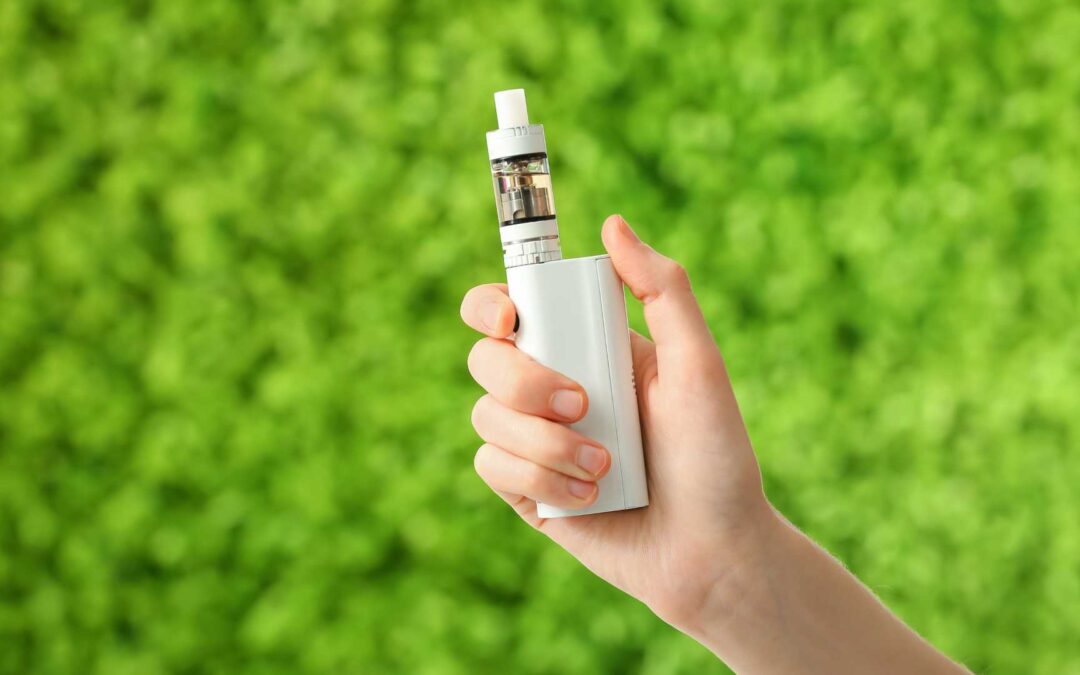
Les tendances actuelles en matière de e-cigarettes : design, technologie, etc.
Dans le monde en constante évolution de la cigarette électronique, il est parfois difficile de...

Mon avis sur les nouvelles innovations dans le monde de la vape : système anti-fuites, batterie longue durée, etc.
En tant que grand passionné de vapotage, nous avons toujours une attention particulière pour les...
Beauté Santé

Les techniques de relaxation et de méditation pour apaiser les tensions et les envies de fumer
Un moment aussi bon que n'importe quel autre pour prendre une pause, pour repenser notre mode de...

Les effets de la nicotine sur le cerveau et le corps : comprendre son impact sur la dépendance
En tant que composant majeur du tabac, la nicotine est au cœur de multiples débats. Cette...
Les conseils pour renforcer votre système immunitaire après avoir arrêté de fumer
Le tabagisme est sans aucun doute l'un des plus grands facteurs de risque pour notre santé. Allant...
Conseils pour maintenir un poids santé après avoir arrêté de fumer
Il est un fait bien connu qu'arrêter de fumer est un défi majeur pour de nombreux fumeurs. Le...
Bricoler

Les projets de rénovation à entreprendre dans votre maison pour créer un environnement sain et accueillant
Si vous lisez cet article, c'est que vous êtes probablement à la recherche d'idées pour rénover...

Les projets de décoration intérieure pour revaloriser votre espace de vie après avoir arrêté de fumer
Nous le savons tous, l'arrêt du tabac est une étape cruciale pour notre santé. Mais saviez-vous...
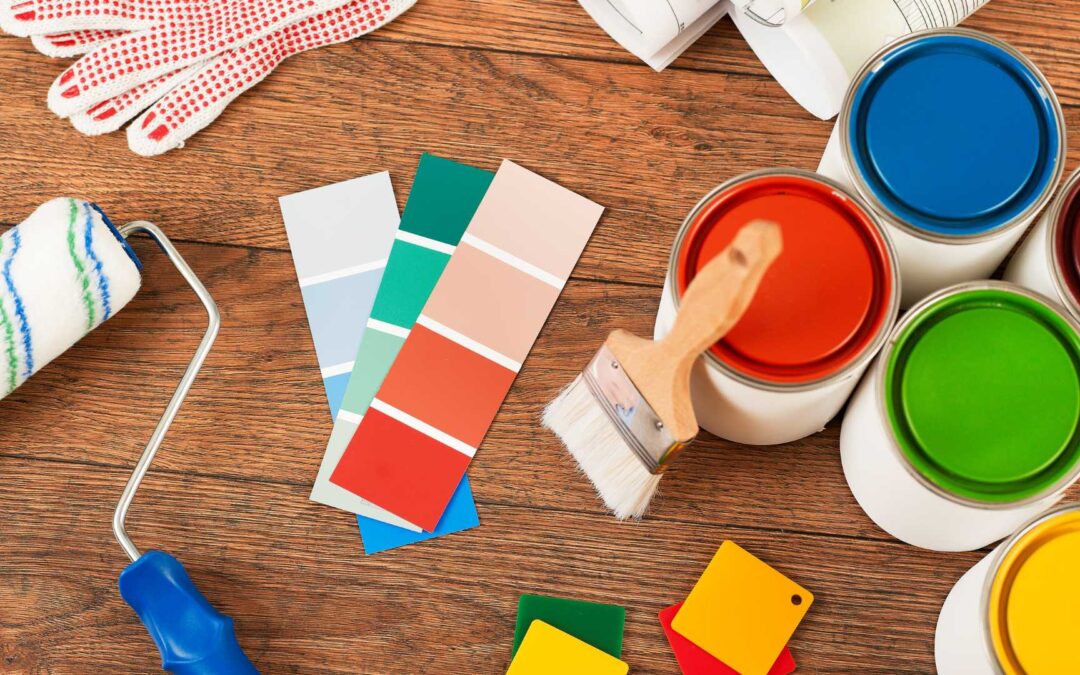
Les bienfaits du bricolage sur le bien-être mental : créativité, satisfaction, etc.
Nous savons tous que rester actifs est essentiel à une bonne santé physique. Cependant, il est...
Food

Les recettes de cuisine rapide et facile pour les jours où vous avez peu de temps à consacrer à la préparation des repas
Il nous arrive parfois de rentrer tard du travail, épuisés, avec une envie irrésistible de mettre...
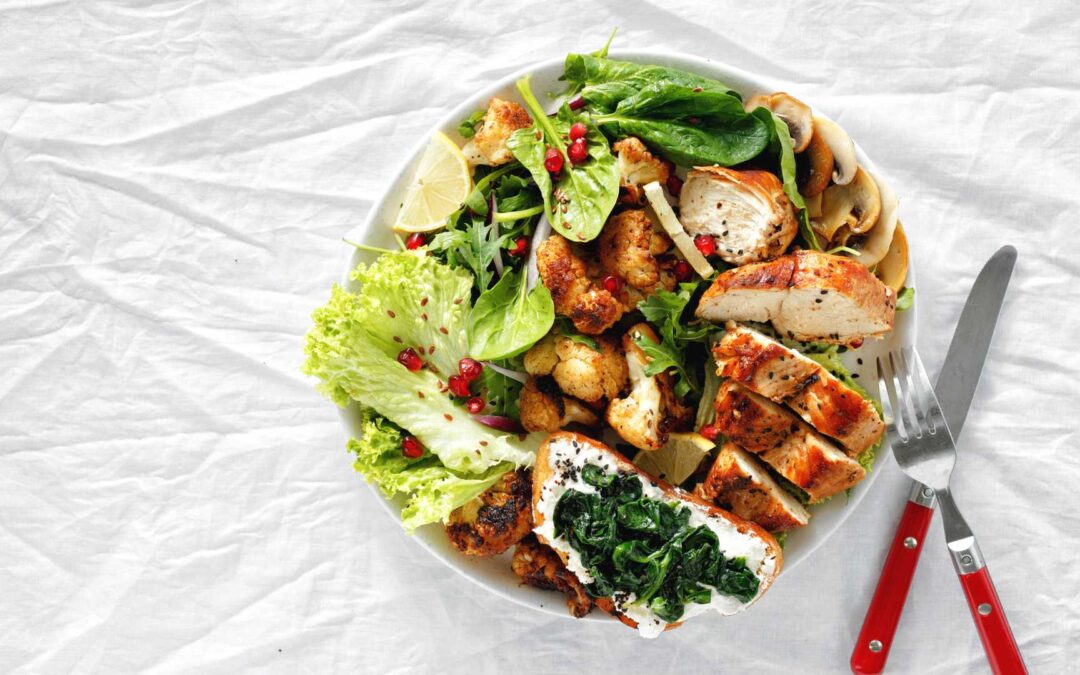
Les meilleures recettes de cuisine pour accompagner votre sevrage tabagique : plats équilibrés et gourmands
Nous entendons souvent dire que manger est l'un des meilleurs moyens de combattre l'envie de...

Les bienfaits de la cuisine maison sur la santé : contrôle des ingrédients, choix des produits, etc.
Dans un monde où le fast-food et les repas préparés règnent en maîtres, nous prenons le temps de...
Sport
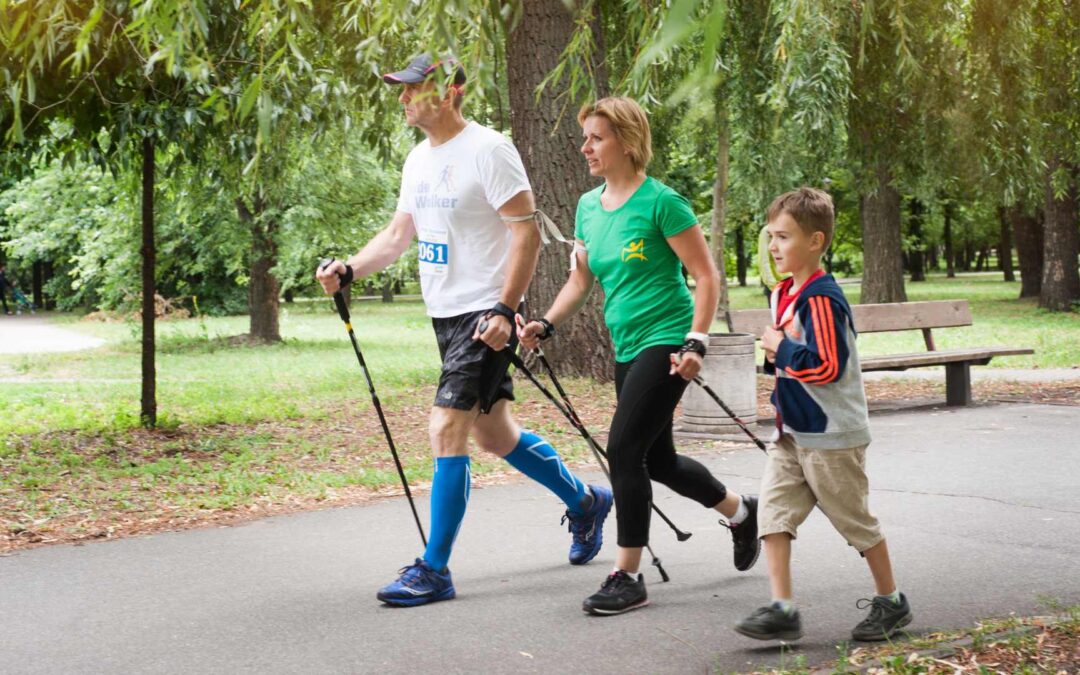
Les sports à pratiquer en extérieur pour profiter des bienfaits de la nature : randonnée, vélo, course à pied, etc.
Nous ressentons tous le besoin de nous évader, de renouer avec notre essence profonde, de nous...
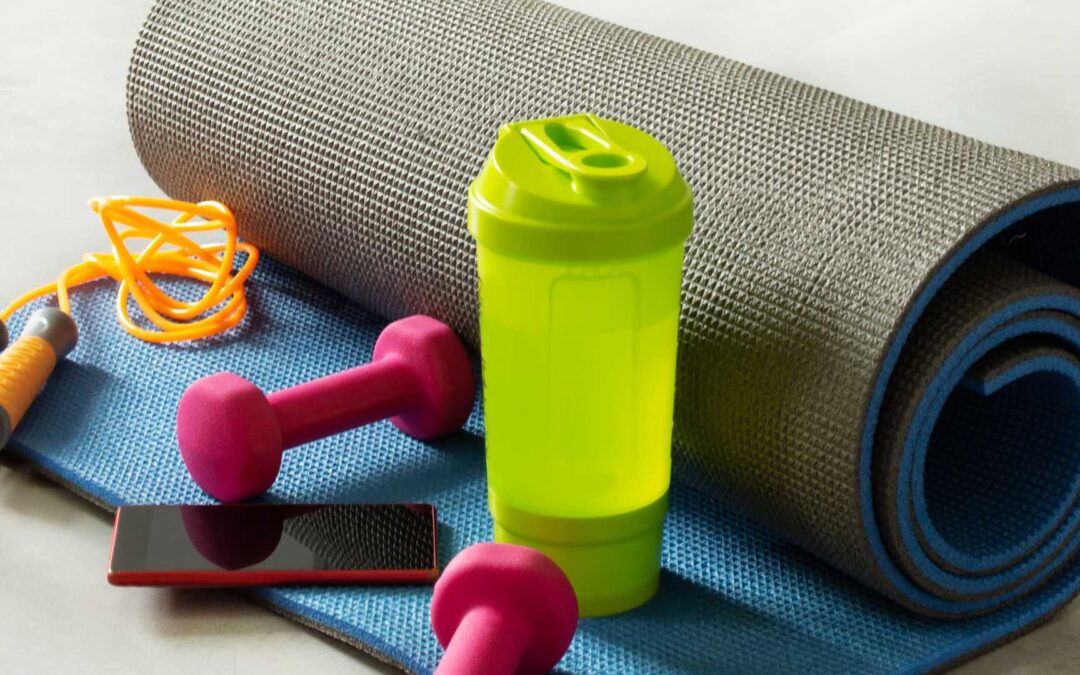
Les équipements de sport à privilégier pour une pratique régulière et variée : chaussures, vêtements, accessoires, etc.
Quand le choix de l'équipement sportif fait la différence C'est un fait, nous pouvons affirmer que...

Les meilleures applications et sites web pour suivre vos progrès en matière de remise en forme
Il est indéniable que rester en forme est un aspect essentiel de la vie quotidienne de chacun...
Web

Ex Aequo : Tabagisme et marginalisation sociale : comment accompagner les publics les plus précaires ?
Dans un monde où les inégalités sociales et les problèmes de santé mentale sont de plus en plus...

Tabac et liberté : Tabagisme et stress, comment sortir de la dépendance ?
Le tabac est au cœur des préoccupations quotidiennes de millions de personnes à travers le monde....

Garder la pêche !
Préserver sa santé au quotidien c’est important. D’autant plus quand on a été fumeur pendant de nombreuses années. Suivez mes conseils pour garder la forme.

Trouver un équilibre parfait
Afin d’arrêter de fumer, il est primordial de trouver un équilibre optimal entre santé et mental. Certaines activités vous aideront à l’attendre. Découvrez lesquelles sur mon blog

Une bonne nutrition dans votre assiette
Quand on cherche à arrêter de fumer, il est primordial de se nourrir convenablement. Découvrez mes conseils nutritionnels